
Vietnam visa requirements for layovers less than 24 hours
Vietnam is an increasingly popular transit hub in Southeast Asia, with major international airports such as Tan Son Nhat (Ho Chi Minh City) and Noi Bai (Hanoi) serving millions of connecting passengers each year. If you are transiting through Vietnam for less than 24 hours, it is important to determine whether a Vietnam visa is required, especially if your trip involves self-transfer flights.
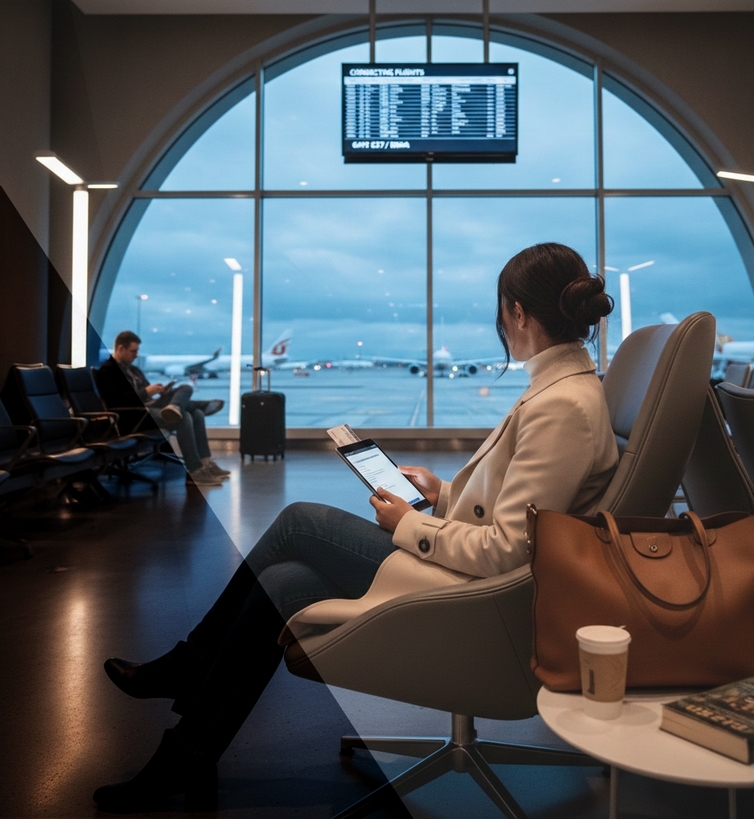
Less than 24 hours transit in Vietnam (Photo: Gemini)
This guide explains Vietnam’s transit visa rules clearly, helping you avoid unexpected issues during your journey.
Layovers under 24 hours without leaving the airport
Passengers transiting through Vietnam for less than 24 hours generally do not need a visa if they remain inside the international transit area of the airport. This applies only when travellers hold a confirmed onward ticket, do not pass through immigration, and their baggage is checked through to the final destination by the airline. In these situations, travellers are considered transit passengers and are not required to enter Vietnam.
Self-transfer layovers: A critical exception
Self-transfer layovers are the most common reason travellers unexpectedly need a Vietnam visa. A self-transfer occurs when flights are booked on separate tickets rather than a single continuous itinerary. In these cases, travellers must exit the transit area, clear immigration, collect checked baggage, and recheck their baggage for the next flight.
Even if the total layover time is less than 24 hours, passing through immigration means you are officially entering Vietnam. As a result, a valid Vietnam visa is required. Travellers without a visa may be denied entry or prevented from boarding their onward flight.
This is one of the most misunderstood aspects of Vietnam’s transit rules and often catches passengers by surprise at the airport.
Leaving the airport during a short layover
Any traveller who plans to leave the airport during a layover, whether to rest at a nearby hotel, meet friends, or explore the city, must have a valid Vietnam visa. Vietnam does not offer visa-free exit privileges for short layovers, regardless of nationality or length of stay.
Simply stepping outside the airport terminal requires immigration clearance and, therefore, a visa.
Many travel issues arise from assuming that a layover under 24 hours is always visa-free. In reality, the need for a visa depends on whether immigration clearance is required. Airlines may refuse boarding at the departure airport if passengers do not meet Vietnam’s entry requirements, even if the layover is brief.
Confirming ticket type, baggage handling, and airport procedures in advance is essential.
Vietnam visa options for short layovers
Travellers who require a visa for a short stay typically apply for a Vietnam e-visa in advance or arrange a visa on arrival with a pre-approved letter. These options allow legal entry into Vietnam even for brief visits or self-transfer connections. Eligibility depends on nationality, so travellers should confirm requirements well before departure.
Travellers from visa-exempt countries do not need a visa for transit through Vietnam.
How to apply for an emergency visa for transit in Vietnam?
You will need an emergency Vietnam visa if your layover is less than 24 hours and you must pass through immigration. This typically applies to self-transfer flights where baggage must be collected and rechecked, or when travellers need to change terminals, exit the airport, or stay overnight near the airport. Airlines and immigration authorities do not make exceptions for short layovers. If entry into Vietnam is required, a valid visa must be obtained before arrival.
An emergency Vietnam visa is a fast-track approval issued by Vietnam Immigration, allowing travellers to legally enter Vietnam on very short notice. Unlike standard visa applications, emergency visas can be processed within hours, including weekends or public holidays.
The application process is simple and handled entirely online through www.speedvietnamvisa.com service:
Go online the visa application form and select “Apply for e-visa” “No, I haven’t applied for e-visa yet” then click “Next”;
Fill in the visa application with required information and upload the photo of your passport and portrait photo taken at present;
Pay the visa application and rush service fee and wait for visa approval after a few hours or 1-2 working days, as you selected;
A completed visa will be sent to your email or WhatsApp within the ordered processing time. You just need to print out the visa, bring it with your passport, and enter Vietnam via airports, land ports and seaports.
If you are transiting through Vietnam, the most important question is not how long your layover is, but whether you must pass through immigration. Travellers using self-transfer flights or planning to leave the airport should always secure a Vietnam visa in advance.
When in doubt, applying for a visa is the safest choice and helps ensure a smooth and uninterrupted journey through Vietnam.
