
Vietnam International Financial Centre (IFC) visa and residency policy: A short guide for foreign investors and professionals
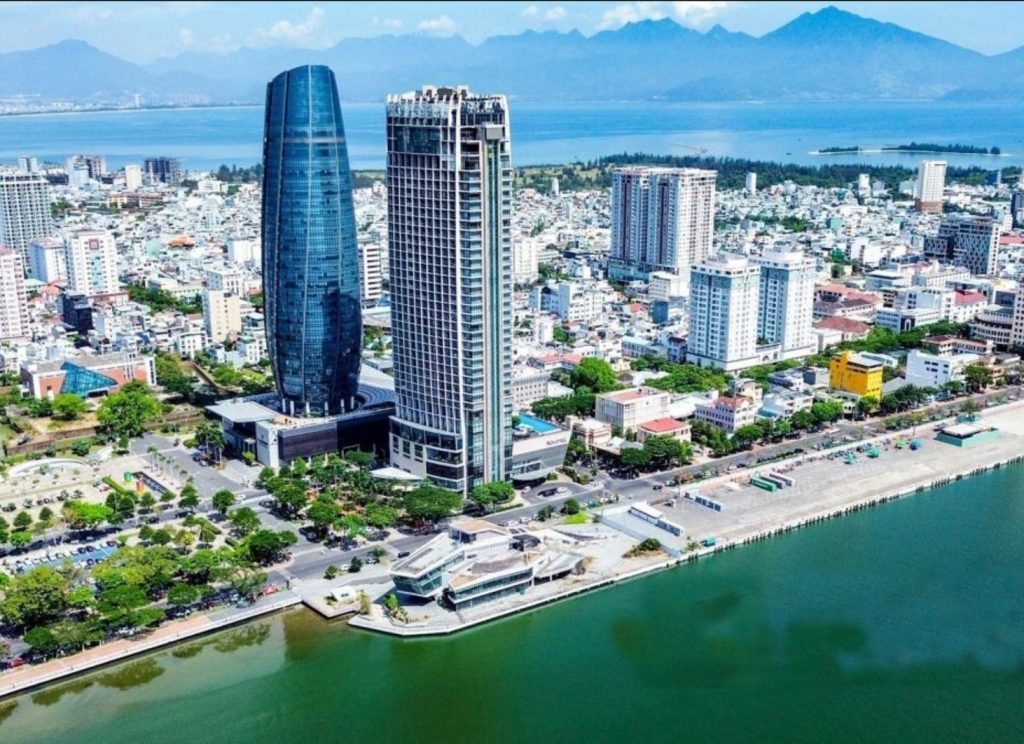
Vietnam has introduced a new immigration framework for foreign nationals working at the International Financial Centre (IFC) under Decree No. 327/2025/NĐ-CP, following the establishment of the IFC in Da Nang and Ho Chi Minh City. The policy is designed to attract foreign investors, senior managers, experts, and highly skilled professionals by offering long-term residence options and a clear pathway to permanent residence.
This guide outlines how the IFC visa and residency scheme works and what foreign professionals should consider when planning to work and reside in Vietnam.
Scope and eligibility
The IFC immigration policy applies to foreign nationals employed by organisations headquartered at the IFC. Eligible individuals include key and strategic investors, senior managers, experts, scientists, highly skilled professionals, and individuals with special talents. The policy also allows accompanying spouses and children under 18 to reside in Vietnam, supporting family relocation and long-term settlement.
Eligibility is assessed based on the applicant’s role and qualifications. Investors are evaluated under criteria issued by the IFC governing authority, while managers, experts, and skilled professionals must meet Vietnam’s foreign labour regulations. Scientists and individuals with special talents are assessed under preferential criteria linked to national socio-economic development policies.
Long-term visa and temporary residence cards
Qualified foreign nationals may be granted an UD1 visa or temporary residence card valid for up to ten years, which is significantly longer than standard residence permits in Vietnam. Family members may receive UD2 visas or temporary residence cards with the same validity period as the principal applicant.
Applications are sponsored by the IFC governing authority and processed under Vietnam’s immigration law. Once a complete application is submitted, processing time is fast and generally does not exceed three working days, providing a highly efficient immigration pathway.
Pathway to permanent residence
The decree also creates favorable conditions for foreign nationals seeking permanent residence in Vietnam. Applicants may qualify if they have worked continuously for an IFC-based organization for at least 3 years and can provide documents proving long-term employment.
Permanent residence applications require a formal recommendation from a competent authority, such as a relevant ministry or the Chairman of the People’s Committee of Da Nang or Ho Chi Minh City. The IFC governing authority submits the application to the immigration authority on behalf of the applicant.
Processing and long-term stability
Permanent residence applications are reviewed by the Minister of Public Security, with a standard processing time of two months, extendable by one additional month if further verification is required. Permanent residence cards must be renewed every ten years.
Overall, Vietnam’s IFC visa and residency policy offers foreign investors and professionals a stable, transparent, and long-term immigration solution. Early planning and proper legal guidance are essential to fully benefit from this framework and ensure compliance with Vietnam’s immigration and labor regulations.
(Source: Vietnam News)
